Choosing the Right Truck for You | Sprinter, Box Truck, Hotshot & Semi
Learn how to choose the right truck for your trucking business. Compare sprinter vans, box trucks, hotshots, and semis to avoid costly mistakes.
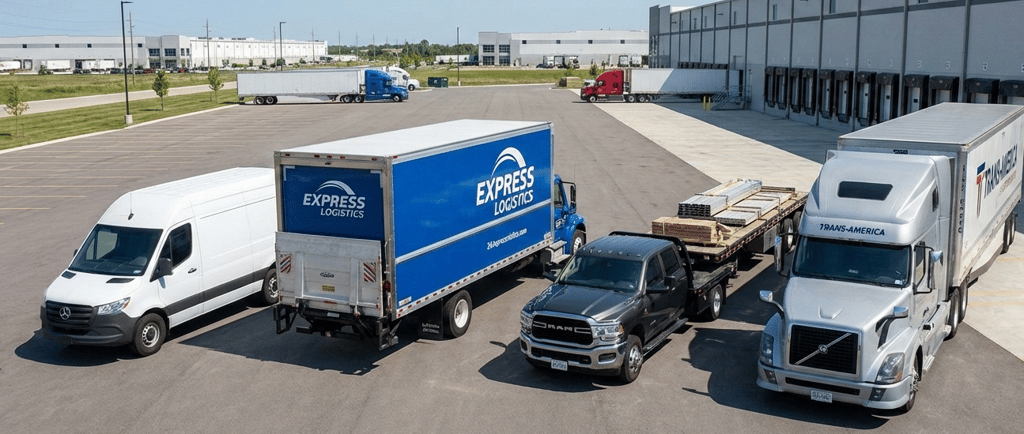
Choosing the Right Truck for You: Sprinter Vans, Box Trucks, Hotshots, and Semis Explained
In trucking, one of the biggest mistakes new operators make is choosing the wrong type of truck. Many people see someone else running a truck and assume, “That’s what I should buy.” In reality, every truck type serves a different market, and what works for one person may not work for another.
Before investing your money, time, and energy, it is critical to understand what each truck type is designed for, what kind of freight it runs, and what level of responsibility it requires. Choosing the right truck from the start can save you from financial stress, wasted time, and early burnout.
Let’s break this down from the basics.
Understanding That Every Truck Has Its Own Market
Trucking is not one single market. It is made up of multiple segments, and each segment demands specific equipment. The type of truck you choose determines:
The loads you can haul
The brokers you can work with
The lanes you can run
Whether you need a CDL or not
Your operating costs and profit potential
Just because a truck looks small does not mean it makes less money. And just because a truck is bigger does not automatically mean higher profit. What matters is market fit.
Sprinter Vans: Small Size, Specialized Market
Sprinter vans are often underestimated. They look small, but they serve a very specific and profitable niche.
What Sprinter Vans Are Used For
Sprinter vans are commonly used for:
Expedited freight
Airport-to-airport loads
Medical supplies
Automotive parts
Time-sensitive shipments
Many airport-related loads require sprinter vans only, especially when freight needs to move quickly and cannot wait for larger trucks.
Why Sprinter Vans Can Make Good Money
Sprinter vans work well because:
Lower fuel costs
No CDL required
Easier to operate in cities
Faster loading and unloading
While individual load rates may be lower than those of large trucks, the volume and speed of loads can balance that out.
Key Considerations Before Choosing a Sprinter Van
Before choosing a sprinter van, you should understand:
Weight limitations
Cargo space restrictions
Limited broker access compared to larger trucks
Sprinter vans are not for everyone, but for the right operator, they can be a strong entry point into trucking.
Box Trucks: A Balance Between Size and Opportunity
Box trucks sit in the middle of the trucking world. They offer more capacity than sprinter vans while still avoiding some of the complexity of semi-trucks.
Box Truck Sizes Explained
Box trucks typically range from:
14 feet
16 feet
20 feet
24–26 feet
Up to 28 feet
Choosing the right size is important. The most commonly preferred and versatile option is 24–26 feet.
Why 24–26 ft Box Trucks Are Often the Best Choice
A 24–26 ft box truck gives you:
Access to more freight
Better weight capacity
Compatibility with dock and warehouse loads
Many brokers and shippers prefer this size because it fits standard freight requirements.
Must-Have Features for Box Trucks
If you plan to operate a box truck, equipment matters as much as size.
Lift Gate
A lift gate is essential because:
Many locations do not have forklifts
It allows solo unloading
Brokers often require it
A box truck without a lift gate will lose many load opportunities.
Pallet Jack
A pallet jack is equally important. Without one:
You depend on dock labor
You risk load refusals
You slow down operations
Lift gate + pallet jack together make your box truck far more valuable.
Door Clearance and Dock Height
Another critical factor is door clearance and dock-high compatibility.
When shopping for a box truck:
Make sure the height allows dock access
Ensure proper door opening size
Avoid low-clearance trucks that limit load options
These details directly affect how easy it is to work with warehouses and distribution centers.
CDL vs Non-CDL Box Trucks (Important Clarification)
Most box trucks under 26,000 lbs GVWR do not require a CDL. This makes box trucks attractive to new operators.
However:
Over 26,000 lbs → CDL required
Some states have additional rules
Insurance costs still apply
Always confirm the truck’s GVWR, not just its size.
Hotshot Trucking: Entering the Open-Deck Market
Hotshot trucking is very different from sprinter vans and box trucks. Once you enter Hotshot, you are no longer in enclosed freight; you are in the open-deck market.
What Hotshot Trucking Involves
Hotshot trucking usually includes:
Pickup truck (often dually)
Gooseneck or flatbed trailer
Equipment hauling
Construction materials
Machinery and oversized freight
This market demands more attention to load securement and safety.
CDL Reality for Hotshot Trucking (No Confusion)
Here is the correct and clear rule:
If the combined GVWR is over 26,001 lbs, you need a CDL-A
Many hotshot setups do require a CDL
Some smaller hotshot setups can be non-CDL, but they are limited
Most serious hotshot operators eventually move into CDL-A territory.
Essential Equipment for Hotshot Operators
Hotshot trucking requires more gear and responsibility.
Tie-Down Equipment
You must have:
Chains
Straps
Binders
Load securement is not optional—it is regulated.
Additional Hotshot Gear
Depending on the freight, you may also need:
Winches
Pipe stakes
Edge protectors
Tarps
Hotshot is more labor-intensive and demands experience.
Transitioning From Box Truck to Hotshot
Moving from a box truck to a hotshot is not a simple upgrade; it is a market shift.
Key differences:
Open-deck exposure
Weather impact
Higher liability
More inspections
You must be prepared mentally and financially before making this move.
Semi-Trucks: A Completely Different Level
Semi-trucks are in a category of their own.
CDL Is Mandatory for Semis
Semi-trucks require a CDL-A
No exceptions
Higher insurance
More regulations
This level is not recommended for beginners unless they have experience or proper guidance.
Why Semis Are Not Comparable to Other Trucks
Semis involve:
ELD compliance
Weight stations
Strict safety audits
Higher maintenance costs
Comparing semis to sprinter vans or box trucks is not realistic; they operate in entirely different worlds.
Choosing the Right Truck Based on You
The best truck for you depends on:
Your budget
Your experience
Your risk tolerance
Your long-term goals
Some people grow faster starting small. Others prefer jumping into higher responsibility.
There is no “best” truck, only the right truck for your situation.
How 360 Trucking Solutions Helps You Choose Correctly
At 360 Trucking Solutions, we do not push one truck type over another. We help you:
Understand each market
Avoid costly beginner mistakes
Match equipment to real demand
Plan growth the right way
Choosing the wrong truck can slow you down for years. Choosing the right one can set you up for steady growth.
Final Thoughts
Trucking success does not come from copying someone else’s setup. It comes from understanding the market and choosing equipment that fits your goals.
Sprinter vans, box trucks, hotshots, and semis all serve different purposes. Take the time to understand them before committing.